| |
|
|
INTRODUCTION Polycystic ovary syndrome (PCOS) is one of the
most common endocrinopathies in women of reproductive age and one of
the leading causes of anovulatory infertility [1,2]. It is estimated
to affect approximately 10–13% of women of reproductive age,
depending on the diagnostic criteria applied and the characteristics
of the population studied [1,3]. The current understanding of PCOS
goes beyond the concept of an isolated reproductive disorder and
defines it as a complex multisystem endocrine-metabolic syndrome
associated with hyperandrogenism, ovulatory dysfunction, insulin
resistance, obesity, metabolic syndrome, type 2 diabetes, metabolic
dysfunction-associated steatotic liver disease (MASLD),
cardiovascular risk and psychological disorders [1,2,4].
The name PCOS was introduced at a time when the characteristic
ovarian morphology was considered to be the principal feature of the
disease. However, current knowledge shows that polycystic ovarian
morphology is neither mandatory nor specific for the diagnosis. Many
women with PCOS do not have the characteristic ultrasound finding,
while polycystic morphology can also be found in women without
clinical manifestations of the syndrome. At the same time, the
development of ultrasound technology has led to repeated changes in
the criteria for defining polycystic ovarian morphology [1,5,6].
This progress in understanding the disease raised the question of
whether the traditional name still adequately reflects its essence.
In 2026, the international multidisciplinary Global Name Change
Consortium, with the participation of academic, clinical and patient
organizations, proposed the name polyendocrine metabolic ovarian
syndrome (PMOS) as an alternative to the name PCOS. The aim of the
proposal is to emphasize the endocrine, metabolic and ovarian
components of the disease and to reduce the confusion that the term
“polycystic” may cause [7].
The history of PCOS is an example of how the development of medical
knowledge can lead to the reconsideration of a historically adopted
name. In 1935, Stein and Leventhal described women with amenorrhea,
infertility, hirsutism and bilaterally enlarged ovaries with
numerous small follicles. At a time when modern hormone assays,
ultrasound and knowledge of the role of insulin in the pathogenesis
of the disorder were not available, ovarian morphology was the most
striking common finding and became the basis for the name of the
syndrome [8].
Over the following decades, it became clear that the clinical
picture is considerably more heterogeneous. Disorders of
gonadotropin secretion, increased ovarian androgen production,
hyperinsulinemia and insulin resistance, as well as numerous
metabolic and neuroendocrine disorders, were identified. For this
reason, PCOS is today viewed not only as a disorder of the
reproductive system, but as a multisystem disorder with possible
long-term metabolic, cardiovascular and psychological consequences
[2,4,9].
The diagnostic criteria changed in parallel. The National Institutes
of Health (NIH) criteria from 1990 emphasized hyperandrogenism and
chronic anovulation, while the Rotterdam criteria from 2003 included
polycystic ovarian morphology as a third diagnostic element, thereby
encompassing different phenotypes of the disease [5,10].
Why is the name PCOS being questioned?
The existing name can be analyzed through its three components.
The first problem concerns the term “polycystic”. The follicles
visualized on ultrasound in women with PCOS are not true cysts in
the pathological sense, but numerous small antral follicles
associated with disordered folliculogenesis and the absence of
adequate selection of a dominant follicle. The term “polycystic” is
a historical remnant from the period before the development of
modern ultrasonography [2,5,7].
The second problem is the term “ovarian”. PCOS is not limited to the
ovaries, but involves complex interactions of the
hypothalamic-pituitary-ovarian axis, the pancreas and insulin
secretion, the liver, adipose tissue, skeletal muscle, the adrenal
glands and other regulatory systems. The consequences of the disease
include metabolic and cardiovascular disorders, as well as
psychological complications [2,4,5,9].
The third part of the name – “syndrome” – is still appropriate,
because PCOS represents a set of interrelated clinical, hormonal,
metabolic and reproductive disorders that can manifest in various
combinations and intensities. Phenotypic heterogeneity is one of its
fundamental characteristics [2,5].
Table 1. Why is the name PCOS being questioned?

A particularly important problem is the variability of ultrasound
criteria. Modern high-resolution probes allow visualization of a
larger number of antral follicles than earlier devices, which is why
the criteria for polycystic ovarian morphology have changed over
time. This shows that this feature also depends on the technology
used to assess it, and not only on the biology of the disorder
[1,6].
Diagnostic criteria and phenotypic heterogeneity of PCOS
The diagnosis of PCOS in adult women is still based on the modified
Rotterdam criteria. After excluding other causes of hyperandrogenism
and ovulatory dysfunction, the presence of at least two of the three
criteria is required to establish the diagnosis [1,2,10]:
- clinical and/or biochemical hyperandrogenism;
- ovulatory dysfunction;
- polycystic ovarian morphology determined by ultrasound
examination or, in adult women, an elevated concentration of
anti-Müllerian hormone (AMH) as an alternative to the ultrasound
criterion.
AMH should not be used as a stand-alone diagnostic test, nor
simultaneously with ultrasound to confirm the same criterion. When
both hyperandrogenism and ovulatory dysfunction are present, ovarian
ultrasound or AMH measurement is not necessary to establish the
diagnosis [1].
Clinical hyperandrogenism most commonly manifests as hirsutism,
while acne and androgenic alopecia, especially when they occur in
isolation, have lower diagnostic specificity. For biochemical
assessment, measurement of total and free testosterone, or
calculation of the free androgen index, is primarily recommended.
Androstenedione and dehydroepiandrosterone sulfate (DHEAS) may be
measured when testosterone is not elevated, but they have lower
specificity for ovarian hyperandrogenism [1].
Ovulatory dysfunction in adult women is most commonly recognized on
the basis of menstrual irregularities, including cycles longer than
35 days, shorter than 21 days, or fewer than eight cycles per year.
Nevertheless, ovulatory dysfunction may also exist with apparently
regular cycles, so in unclear cases ovulation can be assessed by
measuring progesterone in the luteal phase [1].
In adult women, with modern ultrasound equipment and adequate image
quality, polycystic ovarian morphology is defined by the presence of
at least 20 follicles measuring 2–9 mm in diameter in at least one
ovary. When older equipment or a transabdominal approach is used, or
when reliable counting of all follicles is not possible, an ovarian
volume of at least 10 mL or at least 10 follicles in a single
ovarian section may be used. The dominant follicle, corpus luteum
and pathological cysts are not included in the assessment [1,6].
In adolescents, the diagnosis is made more restrictively. The
simultaneous presence of ovulatory dysfunction, defined according to
the time elapsed since menarche, and clinical and/or biochemical
hyperandrogenism is required, with exclusion of other causes.
Polycystic ovarian morphology and AMH are not recommended for
establishing the diagnosis in adolescence due to insufficient
specificity [1].
Before establishing the diagnosis, other causes of hyperandrogenism
and menstrual cycle disorders must be excluded, primarily thyroid
disease, hyperprolactinemia and non-classic congenital adrenal
hyperplasia. Depending on the clinical picture, Cushing’s syndrome,
androgen-producing tumors, hypogonadotropic hypogonadism, primary
ovarian insufficiency and iatrogenic causes should also be
considered. Sudden onset or rapid progression of hyperandrogenism,
virilization and markedly high androgen concentrations require
extended differential diagnosis [1,2,5].
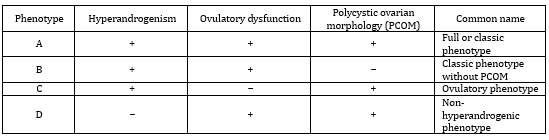
Table 2. Phenotypes of polycystic ovary syndrome
according to the Rotterdam criteria

Phenotypes A and B are, on average, associated with more
pronounced reproductive and metabolic disorders, while C and
especially D may have a milder metabolic profile. Nevertheless, the
phenotype is not an unchangeable category, nor can it replace
individual risk assessment [5].
The existence of different phenotypes is an important limitation of
the name PCOS. In phenotype B, polycystic ovarian morphology is not
present, while in phenotype D there is no clinical or biochemical
hyperandrogenism. Thus, no single reproductive, biochemical or
morphological feature is common to all patients [5,10].
Proposal for a new nomenclature – PMOS
In 2026, the Global Name Change Consortium published the results of
a multistep international consensus process aimed at reconsidering
the name of PCOS. The process involved experts in endocrinology,
gynecology, reproductive medicine and other fields, researchers and
patient representatives, with the engagement of 56 academic,
clinical and patient organizations. Polyendocrine metabolic ovarian
syndrome (PMOS) was proposed as the new name [7].
The PMOS proposal seeks to retain the initial letter P and a certain
continuity with the existing terminology, while at the same time
removing the term “polycystic” and emphasizing the endocrine and
metabolic components of the disease. The term polyendocrine
indicates the involvement of multiple endocrine systems, metabolic
the metabolic characteristics, while ovarian retains the link with
ovarian and reproductive dysfunction [7,9].
The authors of the proposal emphasize that the change of name in
itself does not represent a change in diagnostic criteria or
therapeutic recommendations. Its purpose is primarily to align the
nomenclature with the current understanding of the disease and to
improve communication, education and clinical awareness of its
multisystem consequences [7].
Table 3. Reasons for the proposed name change
One of the main arguments in favor of changing the name is that
the name of a disease should reflect its current pathophysiological
essence. PCOS involves disorders of the
hypothalamic-pituitary-ovarian axis, insulin regulation, ovarian
steroidogenesis, adipose tissue and liver metabolism, as well as
various metabolic and vascular consequences [2,5,9].
It is particularly important that women with PCOS have an increased
risk of glucose regulation disorders, type 2 diabetes, dyslipidemia,
arterial hypertension, MASLD and other cardiometabolic
complications. For this reason, the modern approach cannot be
limited to menstrual disorders, infertility or the ultrasound
appearance of the ovaries [1,2,11].
According to proponents of the change, the name PMOS could help
ensure that in women with this syndrome, body weight and waist
circumference, blood pressure, glucose regulation, an oral glucose
tolerance test (OGTT) when needed, lipid status and cardiometabolic
risk are considered earlier [1,2].
Arguments against the name change
The PMOS proposal has not been accepted unanimously. One of the main
arguments against the change is the marked heterogeneity of PCOS. In
some women, reproductive manifestations and hyperandrogenism
predominate, while in others metabolic disorders may be in the
foreground. There are also women of normal body weight with
minimally expressed metabolic disorders, which raises the question
of whether the term “metabolic” can adequately encompass all
phenotypes [5,9].
A similar question concerns the term polyendocrine, which is not
widely established in the existing nomenclature. Without additional
explanation, it could cause new terminological uncertainties and
different interpretations [7].
A further argument is that the change of name in itself does not
change the way the disease is treated. Without appropriate education
of physicians and patients, the new name will not automatically lead
to earlier recognition of metabolic complications or to better
quality of treatment [7].
Historical continuity is also an important practical problem. The
name PCOS has been used for almost nine decades and is present in a
large number of scientific publications, clinical guidelines,
databases and electronic health systems. A change in nomenclature
could make it more difficult to search earlier literature, compare
studies and maintain continuity of scientific communication [7].
Table 4. Arguments for and against the name change

The essential question, therefore, is not only whether the name
PCOS is terminologically outdated, but whether its replacement would
lead to a measurable improvement in the understanding, diagnosis and
treatment of the disease. A change in nomenclature makes sense only
if it contributes to better clinical practice, and is not an end in
itself [7].
The role of ultrasound in the current concept of PCOS
The development of ultrasound diagnostics has particularly
demonstrated the limitations of relying on ovarian morphology.
Modern medicine allows precise assessment of the antral follicle
count and ovarian volume, but no international diagnostic criterion
requires polycystic morphology in all women with PCOS [1,10].
At the same time, polycystic morphology is not specific to PCOS and
can be found in women without the syndrome, especially at a younger
age. The ultrasound finding alone is therefore not synonymous with
the disease [5,6].
This, however, does not diminish the importance of ultrasound.
Ultrasound examination remains important in assessing ovarian
morphology, excluding other ovarian disorders, assessing
reproductive status and in certain therapeutic procedures [1,6]. The
essential question is not whether ultrasound is important, but
whether the finding in a single organ should form the basis for the
name of a complex multisystem syndrome.
Therapeutic implications of the name change
The change of name from PCOS to PMOS does not in itself change the
diagnostic criteria or therapeutic recommendations. Treatment should
still be tailored to the patient’s dominant symptoms, reproductive
plans and metabolic profile [1].
The basis of the therapeutic approach is lifestyle modification,
including appropriate diet, physical activity and weight reduction
in women who are overweight or obese. These interventions can have a
favorable effect on reproductive, metabolic and cardiovascular
outcomes [1].
In women who are not planning pregnancy, combined oral
contraceptives are one of the basic pharmacological options for
regulating the menstrual cycle and treating clinical
hyperandrogenism. Antiandrogens may be used in selected patients
together with appropriate contraception[1].
Metformin has an important place in women with metabolic disorders,
particularly impaired glucose regulation, prediabetes or type 2
diabetes, as well as in certain patients with increased metabolic
risk. Glucagon-like peptide-1 (GLP-1) agonists may be considered in
selected women with obesity, especially when the goal is greater
weight reduction and improvement of metabolic parameters. Inositols
may have a place in some patients, although their optimal use and
clinical significance require further evaluation [1].
In women who wish to become pregnant, the goal of treatment is to
establish ovulation and increase the likelihood of conception.
According to current international guidelines, letrozole is the
first-line therapy for ovulation induction in anovulatory women with
PCOS [1].
The change in nomenclature, therefore, should not lead to a change
in therapeutic algorithms, but possibly to a broader consideration
of the patient’s needs. If the name PMOS were to contribute to
greater awareness of the metabolic and cardiovascular consequences
of the disease, its potential benefit would lie primarily in a
change of clinical perspective, rather than in the introduction of
new therapy.
Conclusion
The name polycystic ovary syndrome originated at a time when the
morphological appearance of the ovaries was the most noticeable
feature of the disease. Over almost a century, the development of
reproductive endocrinology, molecular biology and ultrasound
diagnostics has completely changed the understanding of this
disorder. Today it is clear that PCOS is a heterogeneous,
multisystem syndrome in whose pathogenesis complex interactions of
genetic, epigenetic, neuroendocrine, metabolic and inflammatory
mechanisms participate, while polycystic ovarian morphology is only
one of its possible manifestations.
The adoption of the term polyendocrine metabolic ovarian syndrome (PMOS)
represents a logical attempt to align the nomenclature with current
scientific knowledge. The new name emphasizes the endocrine and
metabolic nature of the disease, points to its multisystem
complexity and seeks to eliminate the long-standing confusion
arising from the use of the term “polycystic ovaries”, which is not
entirely accurate anatomically and pathophysiologically.
The name change has shifted attention from the morphological
appearance of the ovaries to the endocrine, metabolic and long-term
health consequences of the syndrome, prompted a critical
reconsideration of existing diagnostic concepts and further
emphasized the need for an individualized approach to each patient.
It can be concluded that the greatest significance of the new name
lies in changing the way we understand and treat this complex
disorder. The modern approach to PMOS must remain focused on women’s
overall health, with equal attention to the reproductive, endocrine,
metabolic and cardiovascular aspects of the disease.
References
- Teede HJ, Tay CT, Laven JJE, Dokras A, Moran LJ, Piltonen TT,
et al.; International PCOS Network. Recommendations from the
2023 International Evidence-based Guideline for the Assessment
and Management of Polycystic Ovary Syndrome. J Clin Endocrinol
Metab. 2023;108(10):2447–2469. doi:10.1210/clinem/dgad463.
- Azziz R, Carmina E, Chen Z, Dunaif A, Laven JSE, Legro RS,
et al. Polycystic ovary syndrome. Nat Rev Dis Primers.
2016;2:16057. doi:10.1038/nrdp.2016.57.
- Bozdag G, Mumusoglu S, Zengin D, Karabulut E, Yildiz BO. The
prevalence and phenotypic features of polycystic ovary syndrome:
a systematic review and meta-analysis. Hum Reprod.
2016;31(12):2841–2855. doi:10.1093/humrep/dew218.
- Brutocao C, Zaiem F, Alsawas M, Morrow AS, Murad MH, Javed
A. Psychiatric disorders in women with polycystic ovary
syndrome: a systematic review and meta-analysis. Endocrine.
2018;62(2):318–325. doi:10.1007/s12020-018-1692-3.
- Dapas M, Dunaif A. Deconstructing a syndrome: genomic
insights into PCOS causal mechanisms and classification. Endocr
Rev. 2022;43(6):927–965. doi:10.1210/endrev/bnac001.
- Lujan ME, Jarrett BY, Brooks ED, Reines JK, Peppin AK, Muhn
N, et al. Updated ultrasound criteria for polycystic ovary
syndrome: reliable thresholds for elevated follicle population
and ovarian volume. Hum Reprod. 2013;28(5):1361–1368.
doi:10.1093/humrep/det062.
- Teede HJ, Bahri Khomami M, Morman R, Laven JSE, Joham AE,
Costello MF, et al.; Global Name Change Consortium.
Polyendocrine metabolic ovarian syndrome, the new name for
polycystic ovary syndrome: a multistep global consensus process.
Lancet. 2026;407(10545):2329–2339.
doi:10.1016/S0140-6736(26)00717-8.
- Stein IF, Leventhal ML. Amenorrhea associated with bilateral
polycystic ovaries. Am J Obstet Gynecol. 1935;29(2):181–191.
doi:10.1016/S0002-9378(15)30642-6.
- Chan JL, Masini I, Pisarska MD. Polyendocrine metabolic
ovarian syndrome (PMOS)/polycystic ovary syndrome (PCOS):
current and future trends. J Clin Invest. 2026;136(12):e202824.
doi:10.1172/JCI202824.
- Rotterdam ESHRE/ASRM-Sponsored PCOS Consensus Workshop
Group. Revised 2003 consensus on diagnostic criteria and
long-term health risks related to polycystic ovary syndrome (PCOS).
Hum Reprod. 2004;19(1):41–47. doi:10.1093/humrep/deh098.
- Moran LJ, Misso ML, Wild RA, Norman RJ. Impaired glucose
tolerance, type 2 diabetes and metabolic syndrome in polycystic
ovary syndrome: a systematic review and meta-analysis. Hum
Reprod Update. 2010;16(4):347–363. doi:10.1093/humupd/dmq001.
|
|
|
|