| |
|
|
INTRODUCTION The Nobel Prize is one of the most prestigious
international recognitions for scientific, literary and peace
achievements. Its history begins with the will of Alfred Nobel, a
Swedish inventor and industrialist, who bequeathed his fortune to
establish a fund that would reward “those who, during the preceding
year, have conferred the greatest benefit to humankind” [1].
Alfred Nobel was born in 1833 in Stockholm. He spent most of his
life as a chemist and inventor. He patented a total of 355
inventions [2]. His best-known invention, dynamite, patented in
1867, brought him enormous wealth, but also his concern about the
destructive use of explosives [2,3]. It is believed that precisely
these reasons, as well as the influence of Bertha von Suttner, a
prominent peace activist, prompted Alfred Nobel to dedicate most of
his fortune to prizes that would serve the progress of humankind
[4].
In his will, signed in 1895, Nobel specified that the income from
his fortune should be divided into five equal parts and awarded for
outstanding achievements in the fields of physics, chemistry,
physiology or medicine, literature and peace [1]. The prize in
physiology or medicine was to go to the person who had made the most
important discovery in these fields. For a large part of his life
and business, Nobel was connected with France. He had a laboratory
and an estate near Paris. His last will was signed precisely in
Paris on 27 November 1895. Alfred Nobel died on 10 December 1896 in
San Remo, and it was precisely this date that was later chosen as
the day of the prize award ceremony [5]. With it, he practically
dedicated most of his remaining fortune to a fund from whose income
prizes would be awarded every year.
After lengthy negotiations (about 5 years), both with the French
government and with members of the Nobel family, the first Nobel
Prize award ceremony was held on 10 December 1901 [6]. That year,
prizes were awarded in all five categories, and the first recipient
of the Nobel Prize in Physiology or Medicine was Emil Adolf von
Behring, a German physician and bacteriologist, for the discovery of
serum therapy against diphtheria [3,7]. This discovery marked a
turning point in the development of modern immunization methods and
saved countless lives around the world [7].
The Nobel Prize in Physiology or Medicine, awarded since 1901, has
become synonymous with the highest achievements in the biomedical
sciences. During more than a century of its existence, this prize
has recognized discoveries that have fundamentally changed the way
we understand the human body, diseases and treatment [7].
The importance of the Nobel Prize in Medicine is reflected in
several key aspects. First of all, the prize has recognized
discoveries that directly contributed to saving millions of lives —
from the discovery of insulin in 1923, through penicillin in 1945,
to the development of mRNA vaccines in 2023 [7]. Second, the
Nobel Prize has served as a kind of map of the development of
medical science, reflecting changes in research priorities — from
the study of infectious diseases in the early decades, through
molecular biology and genetics in the second half of the 20th
century, to contemporary research at the subcellular and molecular
level [8].
In addition, the prize has institutionalized and affirmed scientific
excellence, encouraging international cooperation and the exchange
of knowledge. An analysis of the laureates shows that most laureates
came from the United States of America, Great Britain and Germany,
but the discoveries had a global impact on medical practice [9].
Also, the prize has evolved from recognizing individual researchers
toward recognizing teamwork — in the period from 1901 to 2019, as
many as 71 of the total of 110 prizes in medicine were awarded to
two or three scientists jointly [8].
The Nobel Prize in Physiology or Medicine is more than a mere
recognition — it is a mirror of the progress of medical science and
a witness to humankind’s continuous striving for a better
understanding of life and health. From the first recognition to Emil
von Behring for serum therapy to the latest discoveries in the field
of immunology and gene therapy, this prize documents the history of
medicine and at the same time illuminates the path for future
generations of researchers.
MATERIAL AND METHODS
This paper presents an overview of the development of medicine
through an analysis of the Nobel Prizes in Physiology or Medicine,
i.e. biomedical scientific achievements, awarded in the period from
1901 to 2025. Data on Nobel Prize laureates, years of award and the
explanations of the awarded achievements were collected from the
official database of the Nobel Prize Foundation and from the
available scientific literature [1,2].
The analysis included discoveries that had a significant impact on
the development of the biomedical sciences, diagnostic methods,
therapeutic procedures and preventive medicine. Nobel Prize
laureates were classified according to the dominant field of
research (microbiology, immunology, genetics, molecular biology,
pharmacology, neurology, cardiology and other fields), as well as
according to their contribution to contemporary clinical practice.
A qualitative comparative analysis of the Nobel Prizes awarded
during the 20th and 21st centuries was applied, with the aim of
examining changes in the research priorities of medicine. Particular
attention was paid to discoveries that led to a significant
improvement in the diagnosis, treatment and prevention of diseases,
as well as to their impact on life expectancy and the quality of
life of the population.
For the purposes of this paper, Nobel Prizes that led to changes in
everyday clinical practice were analyzed in particular, including
the discovery of insulin, blood groups, penicillin,
electrocardiography, cardiac catheterization, the structure of DNA,
computed tomography, magnetic resonance imaging, new surgical
techniques and organ transplantation, immunotherapy of malignant
diseases and mRNA technology.
NOBEL PRIZES OF THE 20TH CENTURY:
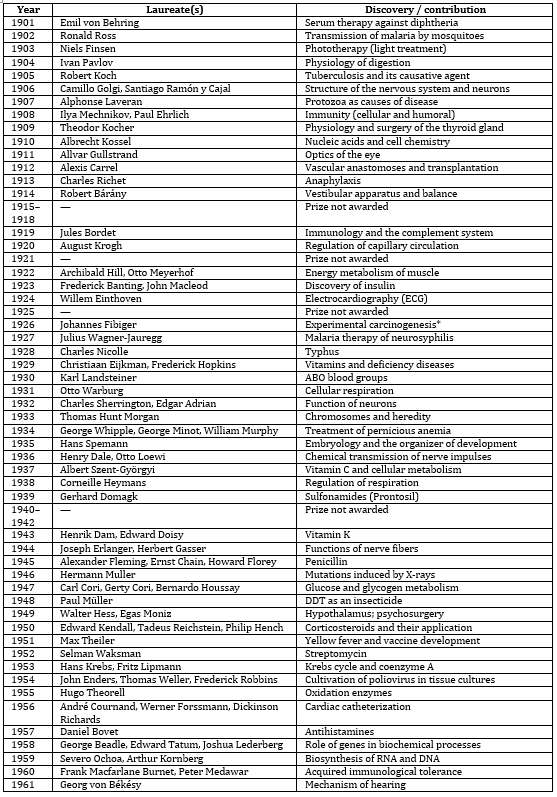
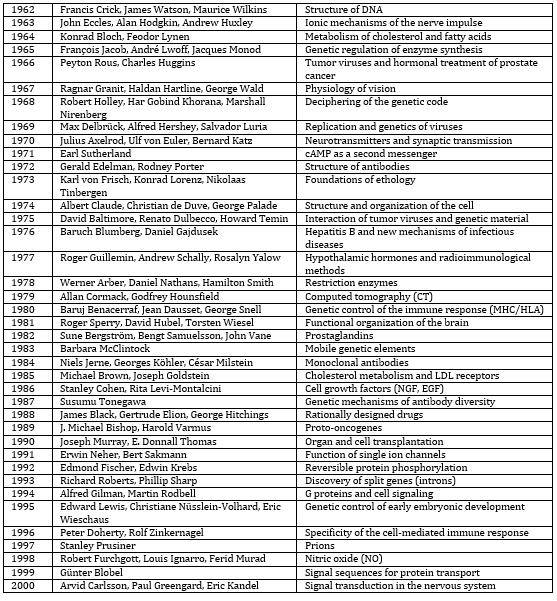
Key discoveries that laid the foundations of modern medicine (Table
1)
Modern medicine, as we know it today, is the result of a series
of revolutionary discoveries that have fundamentally changed the way
we understand the human body, diseases and treatment. Among the most
important achievements that shaped medical science in the 20th
century, the discoveries of insulin, penicillin and the structure of
DNA stand out. For most historians of medicine, the three greatest
turning points are:
1. Insulin (1923) — saved millions of patients with
diabetes.
2. Penicillin (1945) — dramatically reduced mortality from
infections.
3. The structure of DNA (1962) — opened the era of molecular
and personalized medicine.
The discovery of insulin (1921–1923)
The discovery of insulin is one of the greatest achievements of
20th-century medical science and the first time that modern medical
science succeeded in providing a life-saving therapy for a disease
that had previously been universally fatal [10]. Diabetes mellitus,
a condition described as early as 1550 BC in the Ebers Papyrus, had
been a medical mystery for thousands of years [11].
The research that led to the discovery of insulin was carried out in
Toronto in 1921–1922 and was led by Frederick Banting and John
Macleod, with the key contribution of Charles Best and James Collip
[12]. Their revolutionary work demonstrated that a pancreatic
extract could consistently lower blood glucose levels in diabetic
dogs [12]. This discovery marked a turning point in the
understanding of the endocrine regulation of nutrient metabolism and
the functions of other organs [12].
For this achievement, Banting and Macleod were awarded the Nobel
Prize in Physiology or Medicine in 1923, and they shared their prize
with Best and Collip [12]. The importance of the discovery of
insulin is reflected in the fact that it has saved the lives of
millions of people with type 1 diabetes worldwide [12]. This
discovery also initiated a whole century of research aimed at the
purification, isolation, structural characterization and genetic
sequencing of insulin, which has continuously improved therapeutic
formulations [10].
The discovery of penicillin (1928–1945)
The discovery of penicillin represents a turning point in the fight
against infectious diseases and one of the most important
contributions to modern medicine [13]. The history of penicillin
comprises three key phases of development: Fleming’s discovery, the
success of Florey and his colleagues in obtaining penicillin in a
relatively pure form and demonstrating its clinical application, and
the American success in mass production of the drug [14].
Sir Alexander Fleming discovered penicillin by chance in 1928, but
his discovery did not attract significant attention for more than a
decade, and the active substance was not isolated [13]. It was only
in 1939 that Sir Howard Walter Florey, together with Ernst Boris
Chain, led a team of British scientists who successfully produced
the drug from the liquid medium in which penicillin grows [13].
During the Second World War, penicillin production took place under
extremely difficult conditions. In the Netherlands, scientists of
the NG&SF company continued secret research despite the German
occupation. Using Fleming’s 1929 publication as a basis, they
managed to isolate a substance which they code-named “Bacinol” in
order to conceal its identity from the German authorities [15]. An
interesting detail from this period is that the scientists kept a
German guard tipsy during their work by “treating” him to gin, which
enabled them to continue production [15].
In 1945, Fleming, Florey and Chain were awarded the Nobel Prize in
Physiology or Medicine for the discovery of penicillin and its
therapeutic value [16,17]. The development of penicillin represents
a turning point in the fight against infectious diseases and laid
the foundations for the antibiotic era [13].
The discovery of the structure of DNA (1953)
The discovery of the molecular structure of deoxyribonucleic acid
(DNA) is one of the most important scientific achievements of the
20th century and the foundation of modern molecular biology [18].
This discovery transformed the understanding of cell function and
revolutionized fields such as medicine, forensics, bioinformatics
and nanotechnology [19].
On 25 April 1953, James Watson and Francis Crick published in the
journal Nature their revolutionary model of the DNA double helix
[19]. In their paper they concluded that “the specific pairing we
have postulated immediately suggests a possible copying mechanism
for the genetic material” [19]. This insightful statement marked the
beginning of a new era in the understanding of heredity and the
transmission of genetic information. The double helix model was the
result of a synthesis of numerous studies. Watson and Crick used the
data of many researchers, including Oswald Avery, who proved that
DNA, and not proteins or RNA, is the carrier of hereditary
information, as well as Erwin Chargaff, who showed that in DNA the
amount of adenine corresponds to the amount of thymine, while the
amount of guanine corresponds to the amount of cytosine [20]. A key
role was also played by Rosalind Franklin, a British biophysicist
and crystallographer, whose X-ray images provided key information
that Watson and Crick used to build their model [19]. The structure
of the double helix is antiparallel and complementary, with the
bases located inside the molecule, adenine bonded to thymine and
guanine to cytosine by hydrogen bonds, while the phosphates and
deoxyribose are on the outside [20]. This structure in itself
reveals its function — the way in which genetic information is
copied and passed on to offspring [20].
Watson, Crick and Maurice Wilkins, their collaborator from King's
College, were awarded the Nobel Prize in Physiology or Medicine in
1962 for this epochal discovery [16,17,19]. Elucidating the
structure of DNA enabled the development of molecular biology into
its “golden age”,creating structural biology and laying the
foundations for the sequencing of the human genome twenty years
later [18].
Table 1. The Nobel Prize in Physiology or Medicine
(1901–2000)
The importance of fundamental scientific discoveries for the
development of cardiology The five Nobel Prizes with the greatest
impact on cardiology:
• 1924 — Einthoven (ECG) — the most frequently used diagnostic
method in cardiology.
• 1956 — Cardiac catheterization — enabled coronary angiography, PCI
and modern invasive cardiology.
• 1964 — Cholesterol metabolism — the basis for the prevention of
atherosclerosis.
• 1985 — LDL receptor — the direct scientific foundation of statins,
ezetimibe and PCSK9 inhibitors.
• 1998 — Nitric oxide (NO) — changed the understanding of
endothelial dysfunction, coronary disease and pulmonary
hypertension.
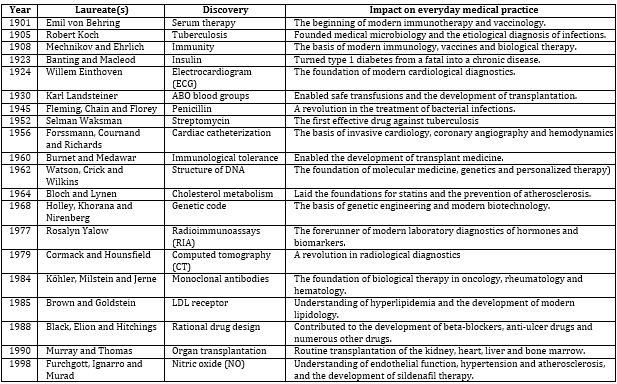
The most important discoveries in the history of medicine in the
20th century (Table 2).
Table 2. The most important discoveries in the
history of medicine
WINNERS OF THE NOBEL PRIZE IN MEDICINE IN THE 21ST CENTURY
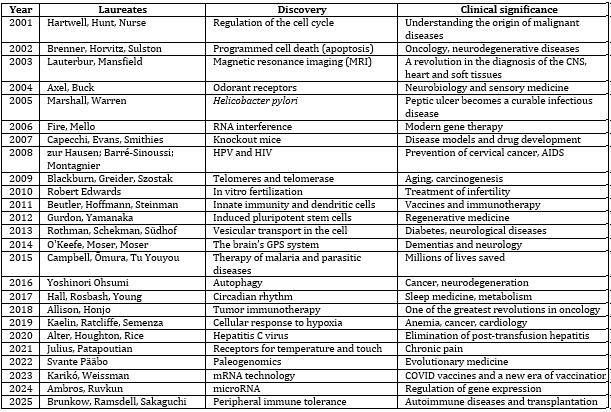
The twenty-first century has brought accelerated development of the
biomedical sciences, and the Nobel Prize in Physiology or Medicine
has become a mirror of that progress (Table 3). From discoveries
that shed light on the basic mechanisms of the functioning of cells,
through the understanding of the immune system, to revolutionary
therapies that saved millions of lives during the COVID-19 pandemic,
the laureates of the 21st century have continued the tradition of
exceptional achievements that have shaped modern medicine.
Table 3. Nobel Prizes in Medicine in the 21st
century (2001–2025)
Key areas of research in the 21st century
An analysis of the winners of the Nobel Prize in Physiology or
Medicine in the 21st century shows several dominant directions in
the development of biomedical research.
1. Gene regulation and RNA biology
The Nobel Prizes awarded for RNA interference (2006) and microRNA
(2024) point to the central importance of RNA in the regulation of
gene expression. These discoveries showed that the control of gene
activity does not take place exclusively at the level of DNA, but
also through complex mechanisms of post-transcriptional regulation.
Understanding these processes has opened new possibilities for the
development of diagnostic methods, targeted therapy and gene
medicine. The discovery of RNA interference showed that cells
possess natural mechanisms for the selective “silencing” of genes,
while research on microRNA revealed an additional regulatory layer
that controls protein synthesis and cell function. Today, disorders
of these mechanisms are associated with numerous diseases, including
malignant, metabolic and neurodegenerative disorders.
2. Immunology
One of the most important areas of modern medicine is immunology.
The Nobel Prizes of 2011, 2018 and 2025 shed light on key mechanisms
of innate immunity, immune regulation and peripheral tolerance. The
discoveries of Toll-like receptors and dendritic cells explained how
the organism recognizes pathogens and triggers an immune response.
The later identification of immune checkpoints enabled the
development of modern immunotherapy of malignant diseases, while
research on regulatory T lymphocytes and peripheral tolerance has
significantly advanced the understanding of autoimmune diseases,
transplant medicine and immune homeostasis.
3. Cell biology
Advances in cell biology have enabled a deeper understanding of the
basic mechanisms of the functioning of living systems. The Nobel
Prizes for vesicle transport (2013) and autophagy (2016) clarified
the processes of intracellular transport, intercellular
communication and the recycling of cellular components. These
mechanisms play a key role in maintaining cellular balance, the
response to stress and adaptation to changes in the external
environment. Their disorders are associated with the development of
numerous diseases, including neurodegenerative disorders, diabetes,
cardiovascular diseases and malignant tumors.
4. Radiological diagnostics, translational and applied
medicine
A special characteristic of 21st-century medicine is the successful
translation of fundamental scientific discoveries into clinical
practice. The Nobel Prizes for magnetic resonance tomography (2003),
in vitro fertilization (2010) and mRNA technology (2023) are
examples of how basic research can lead to revolutionary diagnostic
and therapeutic achievements.
These technologies have significantly advanced diagnostics,
reproductive medicine and the prevention of infectious diseases,
confirming that the greatest progress in medicine is often achieved
by linking basic research with clinical application.
The winners of the Nobel Prize in Physiology or Medicine in the 21st
century have continued the tradition of great scientific
discoveries, but at the same time they have directed medicine toward
new concepts of molecular biology, immunology and personalized
therapy. Unlike many achievements of the 20th century, which were
focused on individual diseases or organs, contemporary research
increasingly reveals universal molecular and cellular mechanisms
that link various physiological and pathological processes. Such an
approach is the basis of modern precision medicine and the future
development of new diagnostic and therapeutic strategies.
THE FIVE GREATEST MEDICAL REVOLUTIONS OF THE 21ST CENTURY
1. Immunotherapy of malignant diseases (Nobel 2018)
Before 2010, metastatic melanoma was one of the deadliest diagnoses
in oncology. Patients with advanced melanoma had a five-year
survival of only about 5%, and therapeutic options were limited to
surgery, radiation and cytotoxic chemotherapy, which rarely produced
lasting results. Tumor cells managed to evade attack by the immune
system by using their own “brakes” that prevent excessive activation
of T cells.
The key discovery came from two independent directions in the 1990s.
James Allison discovered that the CTLA-4 protein on the surface of T
cells acts as an inhibitory receptor — a kind of “brake” that
prevents full activation of the immune response. By blocking CTLA-4
with antibodies, his team showed that T cells can be “released” and
directed to destroy tumor cells. Tasuku Honjo independently
discovered another inhibitory receptor, PD-1, which binds to PD-L1
on tumor cells; this interaction sends a signal to the T cell to
withdraw from the attack. Many tumors overexpress PD-L1 precisely as
a strategy for evading the immune system [21,22].
Checkpoint inhibitors became the first class of drugs that
does not attack the tumor directly, but rather “releases the brakes”
of the immune system. In 2011, ipilimumab (anti-CTLA-4) was approved
for metastatic melanoma, followed by anti-PD-1 drugs such as
pembrolizumab (Keytruda) and nivolumab (Opdivo). The results were
revolutionary: combined anti-PD-1 and anti-CTLA-4 therapy extended
long-term survival in metastatic melanoma from 5% to about 50% in
the latest reports [23]. Today, these drugs are used for melanoma,
cancer of the lung, kidney, urinary bladder, head and neck, as well
as for Hodgkin lymphoma [21].
However, challenges remain: only some patients have a lasting
response, and the therapy can cause autoimmune side effects. New
checkpoints (LAG-3, TIM-3) and combinations with other treatment
modalities are being investigated [23]. Today, checkpoint inhibitors
(PD-1, PD-L1, CTLA-4) enable long-term survival in many patients
with melanoma, lung cancer, kidney cancer and other tumors.
2. mRNA vaccines (Nobel 2023)
For the first time in history, a vaccine does not require the
cultivation of viruses or bacteria. The genetic information for
producing the protective antigen is sufficient. This has opened the
possibility of developing vaccines against malignant diseases, HIV
and numerous infections.
Traditional vaccines required the cultivation of viruses or bacteria
under laboratory conditions — a lengthy, expensive and technically
demanding process. Even after identification of the pathogen, it
took weeks or months to produce a sufficient amount of attenuated or
inactivated virus. The mRNA approach changed this completely:
instead of producing the antigen itself in the laboratory, it is
enough to know the genetic sequence that encodes the protective
protein, and the patient’s body becomes a “factory” that produces
that protein and triggers an immune response [24,25].
The key scientific breakthrough occurred in 2005, when Katalin
Karikó and Drew Weissman discovered how to modify mRNA so that it
does not cause an undesirable immune reaction. Namely, the synthetic
mRNA that scientists produced in the laboratory was recognized by
innate immune receptors (Toll-like receptors) as a foreign body,
which caused a strong inflammatory reaction and degradation of the
mRNA before it could reach the ribosomes. Karikó and Weissman showed
that replacing uridine — one of the four basic nucleotides — with
pseudouridine (its isomer) dramatically reduces immunogenicity and
at the same time increases the translational efficiency of mRNA
[26].
This discovery enabled the development of mRNA vaccines against
COVID-19 in record time. Unlike traditional vaccines, mRNA vaccines
do not require the cultivation of the virus; the genetic information
is sufficient. The Pfizer-BioNTech and Moderna vaccines showed an
efficacy of about 95% in preventing symptomatic COVID-19 disease,
including in older people, who usually respond less well to vaccines
[25]. This technology is extremely flexible: when a new variant of
the virus appears, the mRNA sequence can be quickly adapted. The
same principle opens the possibility of developing vaccines against
HIV, Zika virus and influenza, as well as therapeutic vaccines
against malignant diseases — for example, against melanoma, where
mRNA can be programmed to encode neoantigens specific to the
patient’s tumor [24,27].
3. Genomics and molecular medicine
From the discovery of the structure of DNA in 1953 (Nobel 1962) to
the present day, genomics has traveled the path from fundamental
research to routine clinical application. The Human Genome Project,
completed at the beginning of the 21st century, was a turning point:
for the first time, the complete sequence of the human genome was
read. Today, genome sequencing is no longer a special event — it is
becoming a ubiquitous resource in medicine. Whole-genome sequencing
(WGS) has been recognized as a priority diagnostic method for
detecting rare genetic diseases, because it enables analysis of the
non-coding parts of the genome, which make up about 98,5% of our DNA
and contain regulatory elements key to controlling gene expression
[28,29]. In oncology, this has led to a paradigm shift: tumors are
today classified not only according to the organ of origin, but
according to molecular mutations. Next-generation sequencing (NGS)
enables simultaneous analysis of a multitude of genes from a limited
amount of sample, identifying “driver” mutations that drive tumor
growth, translocations, amplifications and other genetic changes
[30]. For example, lung cancer is routinely tested for EGFR, ALK,
ROS1 and other mutations, because each of them has a corresponding
targeted therapy. Personalized cancer vaccines are designed on the
basis of the unique mutations of the patient’s tumor, and liquid
biopsy (analysis of circulating tumor DNA from the blood) enables
early detection of recurrence [28].
Genomics also enables pharmacogenomics — adjusting the dose and
choice of drugs on the basis of the genetic profile of the patient.
This reduces side effects and increases the efficacy of therapy,
especially in pediatrics and oncology [29]. However, challenges
remain: the reference genome is incomplete and does not represent
the genetic diversity of humankind well enough, which is why the
concept of a “pangenome” is being developed that would encompass
both copies of the chromosomes and variations within populations
[28]. Interpreting the enormous amount of data also requires
sophisticated bioinformatic tools and multidisciplinary teams.
4. Regenerative medicine
Until 2006, the dominant view in biology was that cell
differentiation is an irreversible process — that a mature,
specialized cell cannot return to the stem cell state. Shinya
Yamanaka called this dogma into question. Yamanaka’s induced
pluripotent STEM cells made it possible to return mature cells to an
embryonic state, opening the possibility of regenerating tissues and
organs.
His team showed that mature, differentiated cells can be
reprogrammed into a pluripotent state by simply introducing only
four transcription factors (known as the Yamanaka factors: Oct4,
Sox2, Klf4 and c-Myc). The cells created in this way were named
induced pluripotent stem cells (iPS cells) [31,32].
This discovery revolutionized the understanding of development and
opened the door to regenerative medicine. iPS cells have two key
properties: they can divide indefinitely and they can differentiate
into any cell type in the body — neurons, cardiomyocytes,
hepatocytes, pancreatic cells. Unlike embryonic stem cells, iPS
cells can be created from the patient’s own cells (e.g. from skin or
blood), thereby avoiding ethical issues and the risk of
immunological rejection. In 2012, Yamanaka received the Nobel Prize
for this discovery, together with John Gurdon, whose pioneering
nuclear transfer experiments in frogs decades earlier had laid the
foundations [33,31].
The clinical potential of iPS cells is enormous. They can be used
for disease modeling in the laboratory (e.g. creating neurons from
patients with ALS or Parkinson’s disease), for drug screening, and —
most ambitiously — for the regeneration of damaged tissues and
organs. The first clinical studies have already been conducted:
transplantation of iPS-derived retinal cells in macular
degeneration, and research for heart disease, type 1 diabetes and
spinal cord injuries [33]. However, challenges remain: the risk of
tumor (teratoma) formation if remaining undifferentiated iPS cells
are transplanted, the efficiency of reprogramming, and long-term
safety. Nevertheless, iPS technology has already changed the way we
think about cellular plasticity and has opened the way to
personalized regenerative medicine.
5. Precise gene regulation
RNA interference and microRNA have shown that genes are not just
“switched on or off”, but that there is a complex network regulating
their activity. This represents the basis of future gene therapies.
For a long time it was believed that genes are simply “switched on”
or “switched off” — that gene expression is regulated primarily at
the level of transcription, through transcription factors that bind
to DNA. The discovery of RNA interference (RNAi) in 1998 (Nobel
2006) showed that there is a completely different layer of
regulation that acts at the level of the RNA itself, after
transcription has already taken place [34]. Andrew Fire and Craig
Mello discovered that double-stranded RNA can activate cellular
mechanisms that specifically degrade the mRNA that matches it in
sequence, thereby “silencing” gene expression before the protein is
even formed [34].
MicroRNAs, discovered in 1993 but recognized with the Nobel Prize in
2024, represent an even finer layer of regulation [35]. These small
RNA molecules (about 22 nucleotides long) do not degrade mRNA
directly, but bind to it and inhibit translation or promote its
gradual destruction [35]. One microRNA can regulate hundreds of
different mRNAs, creating a complex network of mutual interactions
[36]. The human genome encodes more than 1000 microRNAs, and their
dysregulation is associated with numerous diseases — from cancer to
neurodegenerative disorders [36].
These findings form the basis of future gene therapies. RNAi is
already used as a research tool for gene silencing, and the first
drugs based on this principle have been approved (e.g. patisiran for
hereditary transthyretin amyloidosis) [37]. MicroRNAs are being
investigated as therapeutic targets: inhibition of oncogenic
microRNAs or the addition of tumor-suppressor microRNAs could become
a new strategy for treating cancer [36]. The key challenge remains
the delivery of these molecules to target cells in vivo, as well as
avoiding off-target effects [37]. Nevertheless, the understanding
that genes are not binary switches, but exist in a complex network
of regulation, fundamentally changes the way we approach gene
therapy and drug development [38].
COMPARATIVE ANALYSIS of the Nobel Prizes in Physiology or
Medicine during the 20th and 21st centuries
An analysis of the Nobel Prizes in Physiology or Medicine during
the 20th and 21st centuries provides a unique insight into the
development of medical science and changes in research priorities
over more than a century [1,2]. Viewed through the prism of the
awarded discoveries, a transition can clearly be seen from research
aimed at identifying the causes of diseases and basic physiological
processes toward the study of molecular mechanisms, gene regulation
and an individualized approach to treatment [8].
The first half of the 20th century was marked by discoveries that
laid the foundations of modern medicine. The work of Robert Koch,
Ronald Ross and Alphonse Laveran enabled an understanding of the
etiology and transmission of infectious diseases [1,2], while
Landsteiner’s discovery of blood groups, Banting’s discovery of
insulin and Fleming’s discovery of penicillin directly changed
clinical practice and significantly reduced mortality [10,12,13]. In
the same period, key diagnostic methods, such as
electrocardiography, emerged, which enabled an objective assessment
of organ function and laid the foundations of modern diagnostics
[1,2].
The second half of the 20th century represents the era of molecular
biology. The discovery of the structure of DNA in 1962 marked the
beginning of a new epoch in medicine [19,20]. The following decades
brought an understanding of the genetic code, the mechanisms of cell
signaling, cholesterol metabolism, receptor function and the
regulation of the immune response [1,2]. During this period,
medicine moved from the level of organs and tissues to the level of
the cell and the molecule. At the same time, advanced diagnostic
methods were developed, among which computed tomography represents
one of the most important technological revolutions in medicine
[1,2].
Unlike in the 20th century, the Nobel Prizes in the 21st century
have been predominantly directed toward research on regulatory
mechanisms within the cell. Discoveries of apoptosis, RNA
interference, telomeres, stem cells, autophagy, microRNA and immune
checkpoints have been awarded [34,35,36,40]. The common feature of
this research is the study of processes that determine cell behavior,
gene expression and the interaction of the organism with disease at
the molecular level [8].
A particularly important trend of the 21st century is the
development of personalized medicine. While the therapeutic
approaches of the 20th century were mainly based on the principle of
“one disease — one drug”, modern medicine strives to individualize
diagnosis and therapy on the basis of the genetic, molecular and
immunological characteristics of each patient [28,29]. Immunotherapy
of malignant diseases, awarded the Nobel Prize in 2018, is one of
the best examples of this concept, because it enables activation of
the immune system against the tumor, with a significant improvement
in survival in certain malignancies [21,23,38].
In addition, the Nobel Prize for the development of mRNA technology
in 2023 showed how fundamental research can lead to the rapid
development of new therapeutic and preventive strategies [24,25,39].
During the COVID-19 pandemic, mRNA vaccines enabled unprecedentedly
rapid production of effective vaccines, thereby confirming the
practical value of decades of basic research [25,27,39].
Viewed as a whole, the Nobel Prizes of the 20th century were focused
on discovering the causes of diseases and developing antibiotics,
hormones, vaccines and diagnostic methods, while the Nobel Prizes of
the 21st century reflect the transition of medicine toward
understanding the molecular and genetic mechanisms of disease [8].
This change marks the transformation of medicine from a
predominantly reactive discipline toward predictive, preventive and
personalized medicine [28,29].
It can be concluded that the Nobel Prizes represent a kind of
history of the development, i.e. the evolution, of biology,
especially physiology and medicine (Table 4.). From
microorganisms, hormones and antibiotics to the genome,
immunotherapy and mRNA technology, the awarded discoveries show how
the focus of medicine over the last 125 years has shifted from
treating manifest disease toward its early detection, prevention and
an individualized therapeutic approach [1,2,8].
Table 4. The development or evolution of medicine
through the Nobel Prizes

Through this table we see that the Nobel Prizes are a kind of
mirror of the development of medicine from 1901 to the present day.
DISCUSSION
The Nobel Prize is awarded for a fundamental scientific mechanism
in diagnostics and therapy, and not for the development of
diagnostic and therapeutic methods and techniques or the development
of new drugs. For example, in 2023 the prize was not awarded for a
particular vaccine against COVID-19, but for the discoveries that
enabled the development of mRNA vaccines.
However, in the discussion we would like to emphasize our view that
there are several oversights by the Nobel Committee with regard to
new modalities of ultrasound, MDCT scanner, PET scan and magnetic
resonance diagnostics, as well as revolutionary innovative surgical
techniques and new revolutionary inventive drugs and therapies.
Although these methods have saved or improved the quality of life of
millions of patients, the Nobel Committee has traditionally rewarded
fundamental biological discoveries much more often than the
development of diagnostics, pharmacological therapy and surgical
techniques.
Thus, there is a significant difference between a scientific
discovery and its clinical translation into everyday medical
practice. The Nobel Prize traditionally favors fundamental
mechanisms and biological principles, while many achievements of
enormous public health importance remain outside its scope.
Therefore, the history of medicine cannot be viewed exclusively
through the Nobel Prizes, but also through an assessment of the real
impact of individual therapies on survival, quality of life and the
reduction of the burden of disease in the general population.
ULTRASOUND DIAGNOSTICS. None of the key pioneers of medical
ultrasound, echocardiography, Doppler, color Doppler,
three-dimensional echocardiography and speckle-tracking (strain)
echocardiography, or of ultrasound-guided therapeutic interventions,
received the Nobel Prize in Physiology or Medicine, or in Physics,
for these achievements [41,42]. In fact, ultrasound diagnostics is
one of the most important medical technologies that has never been
awarded a Nobel Prize [41] (Table 5)
Table 5. The most important pioneers of ultrasound
diagnostics and the Nobel Prizes

While other revolutionary diagnostic methods in medicine received
this prestigious recognition, echocardiography and medical
ultrasound remained without a Nobel Prize, despite the fact that
they completely changed modern clinical practice [41,42].
Although Inge Edler (a cardiologist) and Hellmuth Hertz (a
physicist) successfully applied ultrasound to examine cardiac
structures as early as 1953 at Lund University, and Shigeo Satomura
soon afterwards developed the Doppler technique for analyzing blood
flow, the Nobel Committee never awarded them [41]. The two of them (Inge
Edler and Hellmuth Hertz) received the prestigious Lasker Award in
1977, which is often called the “American Nobel Prize for medicine”
[41].
Table 6. Comparison with other major imaging
methods that were awarded the Nobel Prize in Physiology or Medicine
(or Physics)

Historians of medicine cite several reasons why a Nobel Prize was
never awarded for ultrasound: the gradual evolution of the
technology, the focus on clinical application, and the fact that
ultrasound diagnostics is not the work of one person but of a large
number of physicists, engineers and physicians over several decades,
so it was difficult to designate one or at most three laureates, as
the Nobel rules require [41,42]. Gradual evolution of the technology
— medical ultrasound developed step by step, through the adaptation
of existing industrial and military technology (such as sonar for
detecting submarines), so it may have been difficult for the
Committee to single out one or two individuals who made a definitive
scientific breakthrough [41]. Focus on clinical application — the
Nobel Prize in Physiology or Medicine often favors fundamental,
basic scientific discoveries (such as genetics, immunology or cell
biology) over engineering and technological achievements in medical
practice [41,42]. Nevertheless, in medical circles the absence of
this prize for ultrasound is considered one of the greatest
oversights in the history of the Nobel Committee, given that it is
the most accessible, completely safe (non-ionizing) and today
irreplaceable method for examining the heart and the whole body
[41].
The most important pioneers of medical ultrasound who did not
receive the Nobel Prize
1. Karl Theodor Dussik (Austria) - He is considered one of the
first researchers to attempt to use ultrasound to image the human
body. As early as 1942, he used ultrasonic waves in an attempt to
diagnose brain tumors with a method he called “hyperphonography”.
2. George Ludwig (USA) - He was the first to show that
ultrasound can be used to detect gallstones and other structures in
tissues. His work from the late 1940s is considered the first
practical medical application of ultrasound.
3. John J. Wild (1914–2009) - Often called “the father of
medical ultrasound”. He was the first to use ultrasound to
distinguish normal from tumor tissue, especially in the breast and
the gastrointestinal tract. He developed the first ultrasound images
of breast tumors and participated in the development of transrectal
and transvaginal probes.
4. John Reid - An engineer who, together with Wild,
constructed the first practical ultrasound devices for imaging
breast tumors. He later also participated in the development of
Doppler technology.
5. Douglas Howry (1920–1969) - A radiologist who developed
B-mode ultrasound imaging and produced the first high-quality
two-dimensional cross-sectional images of the human body. He is
considered one of the founders of modern abdominal ultrasonography.
6. Joseph Holmes - Together with Howry, he developed the first 2D
B-mode scanners and laid the foundations of modern imaging of the
abdominal organs.
7. Ian Donald (1910–1987) - Known as “the father of obstetric
and gynecological ultrasound”. His work enabled the routine use of
ultrasound in pregnancy and in the diagnosis of abdominal masses and
gynecological diseases. In 1958, he published a famous paper on the
use of ultrasound in the diagnosis of abdominal tumors and cysts.
8. Tom Brown - An engineer who, with Ian Donald, developed
the first practical contact B-mode scanners, without the need to
immerse the patient in water.
Scientists working on the Doppler effect found themselves in a
similar situation. The Doppler effect was described by the Austrian
physicist Christian Doppler as early as 1842. He did not receive the
Nobel Prize because he died long before the Nobel Prizes were
established (1901). The 1919 Nobel Prize in Physics was not awarded
to Doppler, but to Johannes Stark for experimental research on the
Doppler effect in canal rays and for the Stark effect [1,2].
Revolutionary surgical techniques and operations
It is also a great oversight in the awarding of the Nobel Prize, in
our opinion and in the opinion of many historians of medicine, that
the innovative surgeons who revolutionized operative medicine in the
second half of the 20th century and in the 21st century did not
receive the Nobel Prize, although their methods changed everyday
surgical practice more than many Nobel-awarded discoveries. Outside
transplant surgery, very few surgeons have received the Nobel Prize
for the development of operative techniques: Alexis Carrel – Nobel
Prize in Medicine 1912 for vascular suturing and transplant surgery;
Joseph Murray – Nobel 1990 for organ transplantation.
However, no Nobel Prize has been awarded for laparoscopy, minimally
invasive surgery, video surgery, endoscopic surgery, arthroscopy,
robotic surgery or modern oncological operations, despite the fact
that their revolution in surgery has permanently changed almost all
surgical disciplines and has become the standard of modern operative
medicine [43,44].
Pioneers of laparoscopy who did not receive the Nobel Prize:
1. Kurt Semm (1927–2003) - Most often considered one of the
most important figures in the history of minimally invasive surgery:
first laparoscopic appendectomy (1980), developed the electronic
CO₂; developed numerous laparoscopic instruments; developed training
simulators for laparoscopic training. His work was initially
ridiculed, and later became the basis of modern laparoscopic
surgery.
2. Erich Mühe (1938–2005) - Performed the first laparoscopic
cholecystectomy in 1985 in Germany. Initially he was not recognized
by the surgical community, and his pioneering work was officially
recognized only many years later.
3. Philippe Mouret (1942–2008) - A French surgeon who in 1987
popularized laparoscopic cholecystectomy and launched the worldwide
“laparoscopic revolution”.
4. Camran Nezhat - One of the pioneers of video laparoscopy.
His idea of performing the operation while watching a monitor
instead of looking directly through the optics represented a turning
point that enabled the development of modern laparoscopic surgery.
Many of these surgeons received the highest professional
recognitions: the SAGES Pioneer in Endoscopy Award, the Jacobaeus
Award, the Semm Award, honorary memberships of the world’s leading
surgical societies, medals of the American College of Surgeons
(ACS), and European and world awards for minimally invasive surgery.
Toward the end of his life, Kurt Semm received the “Pioneer in
Endoscopy” recognition, which is considered one of the highest
recognitions in the field of endoscopic surgery. Nor did the
pioneers of the following fields receive the Nobel Prize:
arthroscopy (Masaki Watanabe); modern colorectal total mesorectal
excision (Bill Heald); laparoscopic hernioplasty; video-assisted
thoracoscopic surgery (VATS); endovascular surgery; robotic surgery
(the da Vinci era).
Although these methods have saved or improved the quality of life of
millions of patients, the Nobel Committee has traditionally rewarded
fundamental biological discoveries much more often than the
development of surgical techniques [43,44].
Revolutionary innovative drugs
Many inventors of drugs in the 20th and 21st centuries did receive
the Nobel Prize, but most often not for the drug itself as a
product, but for the discovery of the biological mechanism or
principle on which the drug is based. The Nobel Committee has
traditionally valued a fundamental discovery more than the
development of an individual preparation. In Nobel’s will, the key
terms are “the most important discovery” and “the greatest benefit
to humankind”.
Drugs and therapies that brought the Nobel Prize:
Insulin – Banting and Macleod (1923).
Penicillin – Fleming, Chain and Florey (1945).
Sulfonamides (Prontosil) – Gerhard Domagk (1939).
Streptomycin (the first effective drug against tuberculosis)
– Selman Waksman (1952).
Corticosteroids – Hench, Kendall and Reichstein (1950).
Beta-blockers and H2 antagonists – James Black (1988).
Rational drug design – Gertrude Elion and George Hitchings
(1988), whose work led to numerous drugs (azathioprine, allopurinol,
acyclovir and others).
Aspirin, prostaglandins and mechanisms of action – John Vane
(1982).
Cancer immunotherapy (checkpoint inhibitors) – James Allison
and Tasuku Honjo (2018).
mRNA vaccines – Katalin Karikó and Drew Weissman (2023).
Why, then, did many great drug inventors not receive the Nobel
Prize?
The first reason: the Nobel is awarded for a discovery, not
for the development of a product. For example, the development of
statins, ACE inhibitors or ARB drugs involved dozens of research
groups, companies and clinical trials. It is difficult to single out
at most three people, and the Nobel can be shared among at most
three laureates.
The second reason is that many drugs are created through
teamwork. In the 21st century, the development of a new drug often
involves hundreds of researchers, pharmacologists, biochemists and
clinicians. The Nobel system was created at the beginning of the
20th century, when discoveries were more often linked to
individuals.
The third reason is the long-term testing and monitoring of
drug effects, and decades are needed to confirm the importance of
the effects and adverse effects of drugs, so the Nobel Committee
often waits 20–40 years to see whether a discovery has really
changed medicine. Because of this, many researchers die before they
could be awarded, and the Nobel is generally not awarded
posthumously. An important fact is that the Nobel Prize is awarded
for the fundamental scientific mechanism of action of a drug and not
for the development of the drug. For example, in 2023 the prize was
not awarded for a particular vaccine against COVID-19, but for the
discoveries that enabled the development of mRNA vaccines.
Many cardiologists consider the discovery of statins to be among the
greatest achievements of modern medicine, comparable in impact to
insulin. The Japanese biochemist Akira Endo discovered the first
HMG-CoA reductase inhibitor, but never received the Nobel Prize.
However, he received numerous other prestigious international
awards.
SGLT2 inhibitors (empagliflozin, dapagliflozin, canagliflozin and
others) represent one of the greatest therapeutic revolutions of the
last 20 years. They were originally developed as antidiabetic drugs,
and it was then shown that they reduce hospitalizations for heart
failure, slow the progression of chronic kidney disease and reduce
cardiovascular risk even in patients without diabetes.
Interestingly, however, it is still not fully clarified even today
which is the dominant mechanism of their cardioprotective and
nephroprotective action.
GLP-1 receptor agonists (liraglutide, semaglutide, dulaglutide and
others) also have a strong case for the Nobel Prize. This group of
drugs has changed the treatment of: type 2 diabetes, obesity,
cardiovascular risk in obese persons. However, it is more likely
that Nobel recognition, if it comes, would be linked to: the
discovery of the incretin system, the biology of the GLP-1 receptor,
new knowledge about the regulation of appetite and body weight,
The list of the greatest therapeutic discoveries of the 20th and
21st centuries by impact on mortality comprises: Insulin,
Antibiotics (penicillin and later antibiotics), Vaccines, statins,
diuretics and antihypertensive therapy, corticosteroids,
antiplatelet and anticoagulant therapy, Antiretroviral therapy for
HIV, Immunotherapy of malignant diseases SGLT inhibitors and GLT
agonists However, only some of these achievements have been awarded
the Nobel Prize, because the Nobel primarily rewards the discovery
of a scientific principle, and not necessarily the therapy that
later had the greatest clinical effect.
Great medical achievements without a Nobel Prize
The history of medicine shows that the Nobel Prize, despite its
enormous importance, has not encompassed all the achievements that
have fundamentally changed the course of modern clinical practice.
The reason for this lies in the fact that the Nobel Prize is most
often awarded for fundamental scientific discoveries, while many
revolutionary achievements arise as the result of the long-term work
of large research teams, decades of technological development and
the gradual improvement of existing methods. [53,54]. One of the
most important examples is statins. The discovery of the first HMG-CoA
reductase inhibitor by the Japanese biochemist Akira Endo opened a
new era in the prevention and treatment of atherosclerotic
cardiovascular disease. Over the last few decades, statins have
contributed to a significant reduction in the incidence of
myocardial infarction, stroke and cardiovascular mortality
worldwide. However, the Nobel Prize was not awarded for the
discovery of statins as such; instead, Brown and Goldstein were
awarded for fundamental discoveries of the mechanisms regulating
cholesterol metabolism, which enabled the development of modern
lipid-lowering therapy [50,54].
A similar example is angiotensin-converting enzyme inhibitors (ACE
inhibitors). The work of David Cushman and Miguel Ondetti led to the
development of captopril, the first ACE inhibitor, which started a
new era in the treatment of arterial hypertension, heart failure and
diabetic nephropathy. Despite its enormous impact on reducing
morbidity and mortality, this achievement was not awarded the Nobel
Prize.
Beta-blockers represent an interesting exception. Although the Nobel
Prize was not awarded for propranolol itself, rather James Black was
awarded in 1988 for discovering the basic principles of rational
drug development that led to the creation of beta-blockers and H2
antagonists. In this way, the Nobel Committee rewarded a scientific
concept rather than an individual drug [49,54].
The development of heart transplantation represents another
achievement that fundamentally changed medicine. After the first
successful heart transplant performed by Christiaan Barnard in 1967,
transplant surgery became a standard therapeutic option for
end-stage heart failure. However, the Nobel Prize was never awarded
for this achievement, partly due to the fact that numerous
researchers and surgeons contributed to the development of
transplant medicine, including Norman Shumway, Richard Lower and
many others.
Coronary revascularization represents one of the greatest
therapeutic successes of cardiovascular medicine. The development of
coronary artery bypass grafting (CABG), associated with René
Favaloro, enabled effective surgical treatment of coronary heart
disease. Later, Andreas Grüntzig developed percutaneous transluminal
coronary angioplasty (PCI), which marked the beginning of modern
interventional cardiology, particularly refined with the development
of coronary STENT technology. Both methods have significantly
extended the lifespan of millions of patients, but their creators
did not receive the Nobel Prize.
The first Stents were were self-expanding Wallstent systems. In 1986
the first coronary stent in humans was developed by Ulrich Sigwart
and Jacques Puel. The first Wallstent implantations were performed
in Lausanne (Switzerland) and Toulouse (France). Jacques Puel was
the first to implant a Wallstent in a coronary artery in Toulouse,
while Ulrich Sigwart was simultaneously performing the first
implantations in Lausanne. Their stent was a self-expanding mesh
metal prosthesis, unlike the later balloon-expandable stents.Julio
Palmaz, together with Richard Schatz, developed one of the most
important early balloon-expandable coronary stents – the Palmaz-Schatz
stent. The concept originated in the late 1970s, and clinical
development took place during the 1980s. The first Palmaz-Schatz
stent in a coronary artery was implanted in 1987 in São Paulo,
Brazil, by a team consisting of Julio Palmaz, Richard Schatz and
Eduardo Sousa. However, even earlier in 1987, the first
implantations of other balloon-expandable stents were performed.
Similarly, the implantable cardioverter-defibrillator (ICD),
developed by Michel Mirowski, enabled the prevention of sudden
cardiac death in high-risk patients and represents one of the most
important achievements of modern arrhythmology. The first successful
implantable cardioverter-defibrillator in a human was implanted on 4
February 1980 at Johns Hopkins Hospital in Baltimore, USA. The
device was developed by the cardiologist Michel Mirowski, together
with Morton Mower and colleagues. The first implantation was
performed by the cardiac surgeon Levi Watkins Jr. Despite its
enormous clinical importance, this discovery was not awarded the
Nobel Prize.
A special example is in vitro fertilization (IVF). For the
development of this method, Robert Edwards received the Nobel Prize
in 2010, after his method had enabled the birth of millions of
children around the world and opened a completely new chapter in
reproductive medicine. This example shows that the Nobel Committee
occasionally also rewards clinical innovations when their importance
becomes indisputable and confirmed in the long term [54]. During the
last decades, antiretroviral therapy for HIV infection has also
gained great importance. Although Françoise Barré-Sinoussi and Luc
Montagnier received the Nobel Prize for the discovery of HIV in
2008, the development of modern combined antiretroviral therapy,
which turned HIV infection from a fatal into a chronic disease, was
not the subject of Nobel recognition [54].
An analysis of these examples shows that there is a significant
difference between a scientific discovery and its clinical
translation into everyday medical practice. The Nobel Prize
traditionally favors fundamental mechanisms and biological
principles, while many achievements of enormous public health
importance remain outside its scope. Therefore, the history of
medicine cannot be viewed exclusively through the Nobel Prizes, but
also through an assessment of the real impact of individual
therapies on survival, quality of life and the reduction of the
burden of disease in the general population [49,50,51,53,54].
From the perspective of the history of medicine, among the modern
therapies that have the potential to one day be associated with the
Nobel Prize because of their impact on mortality and morbidity, the
following are often cited:
- SGLT2 inhibitors and their cardiorenal mechanisms.
- GLP-1 receptor agonists and the regulation of
metabolism/obesity.
- Immunotherapy of malignant diseases (already awarded in
2018).
- mRNA platforms (already awarded in 2023).
- CRISPR gene therapy (Nobel Prize in Chemistry 2020, but
medical applications are yet to come).
If the long-term effects of SGLT2 inhibitors on the heart and
kidneys prove comparable to the historical impact of statins or ACE
inhibitors, this group of drugs could represent one of the greatest
therapeutic achievements of the beginning of the 21st century,
regardless of whether their creators ever receive the Nobel Prize -
they represent a potential area of future Nobel-awarded
discoveries. The current literature particularly emphasizes that
the mechanisms of cardiorenal protection of SGLT2 inhibitors have
not yet been fully clarified.
SGLT2 inhibitors and GLP-1 receptor agonists – potential
candidates for future Nobel recognition
SGLT2 inhibitors represent one of the most important
pharmacotherapeutic achievements of the beginning of the 21st
century. Although they were originally developed as drugs for
lowering blood glucose concentration in patients with type 2
diabetes mellitus, large randomized clinical trials have shown that
their benefit goes far beyond glycemic control. This group of drugs
reduces the risk of hospitalization for heart failure and slows the
progression of chronic kidney disease, and certain effects are also
seen in patients without diabetes [55–58]. It is particularly
important that the results of the EMPA-REG OUTCOME study with
empagliflozin showed a reduction in cardiovascular and total
mortality, as well as in hospitalizations for heart failure, in
patients with type 2 diabetes and high cardiovascular risk. These
results were unexpected, because the benefit was considerably
greater than could be explained by improved glycemic control alone
[55]. Further research showed that SGLT2 inhibitors provide
cardiorenal protection independently of the presence of diabetes. In
the DAPA-HF and DAPA-CKD studies and other large randomized trials,
their benefit was confirmed in patients with heart failure and
chronic kidney disease, including populations without diabetes
[56–58].
The mechanism by which SGLT2 inhibitors achieve such broad effects
has not yet been fully clarified. Increased natriuresis and osmotic
diuresis, a reduction in intravascular volume and arterial blood
pressure, restoration of tubuloglomerular feedback and a reduction
in intraglomerular pressure are considered important. In addition,
effects on the energy efficiency of the myocardium and kidneys,
tissue oxygenation, metabolism of energy substrates, inflammation
and cardiac remodeling have been proposed [55,59,60].
Precisely the fact that a single group of drugs shows simultaneous
metabolic, cardiac and renal effects represents a particularly
interesting scientific problem. Current data indicate that their
action cannot be reduced merely to the inhibition of glucose
reabsorption in the proximal tubule, but that there is a complex
interaction between the kidneys, heart, metabolism and neurohumoral
mechanisms [59–61].
Therefore, any future Nobel recognition would more likely be
associated with the discovery of a fundamental mechanism explaining
the broad cardiorenal effects of SGLT2 inhibition than with the
development of an individual drug itself, such as empagliflozin or
dapagliflozin. Such a scenario would be consistent with the
traditional pattern of the Nobel Prize, which is primarily awarded
for fundamental discoveries and new biological principles, and not
for the commercial development of an individual pharmaceutical
product.
The second great therapeutic revolution of the beginning of the 21st
century is associated with GLP-1 receptor agonists. Understanding
the incretin system and the physiological role of GLP-1 enabled the
development of drugs that simultaneously affect insulin secretion,
glucagon, gastric emptying, food intake and the regulation of body
weight [62]. GLP-1 receptor agonists, including liraglutide,
dulaglutide and semaglutide, were first developed for the treatment
of type 2 diabetes, but their use expanded significantly after
evidence of a pronounced effect on body weight and cardiovascular
outcomes. The development of this therapeutic group is an example of
how fundamental research on hormone physiology can lead to a
completely new class of drugs [62,63]. Of particular importance are
the results of the SELECT study, in which semaglutide reduced the
incidence of major cardiovascular events compared with placebo in
overweight or obese persons without diabetes. These results further
extended the importance of GLP-1 receptor agonists beyond the
traditional treatment of diabetes and pointed to the possibility
that pharmacological control of body weight is an important
component of cardiovascular prevention [63,64]. Therefore, the GLP-1
system can be viewed as another potentially important candidate for
a future fundamental discovery that could be recognized with the
highest scientific honors. However, any Nobel Prize would more
likely be linked to a new fundamental understanding of the
regulation of metabolism, appetite, energy homeostasis and the
action of the GLP-1 receptor than to semaglutide itself or any other
individual drug.
SGLT2 inhibitors and GLP-1 receptor agonists thus represent an
interesting example of modern medicine in which the boundary between
diabetology, cardiology, nephrology and metabolic medicine is
increasingly blurred. Their clinical importance has already been
confirmed by large randomized studies, while the fundamental
mechanisms of their pleiotropic effects remain the subject of
intensive research [55–64].
If future research identifies a fundamental biological mechanism
that explains the broad spectrum of metabolic, cardiovascular and
renal effects of these therapeutic groups, it is precisely such a
discovery, and not the drug itself, that could form the basis for
one of the future great recognitions in the field of physiology or
medicine.
CONCLUSION
Viewed from the perspective of modern medicine, the most
influential therapeutic achievements of the 20th and early 21st
centuries by impact on mortality include antibiotics, insulin,
vaccines, corticosteroids, organ transplantation, statins,
antihypertensive drugs, coronary revascularization, ICD therapy,
antiretroviral drugs, immunotherapy of malignant diseases,
Immunotherapy of malignant diseases with checkpoint inhibitors,
sodium-glucose cotransporter type 2 (SGLT2) inhibitors and
glucagon-like peptide-1 (GLP-1) receptor agonists, mRNA vaccines and
siRNA directed at the degradation of PCSK9 mRNA - gene therapy .
However, only some of these achievements have been awarded the Nobel
Prize, because the Nobel primarily rewards the discovery of a
scientific principle, and not necessarily the therapy that later had
the greatest clinical effect, which confirms that the importance of
an individual medical discovery need not always be proportional to
its Nobel recognition [45–54].
If the 20th century saved millions of people thanks to insulin,
antibiotics, blood transfusion, the ECG and transplantation, the
21st century strives to provide each patient with therapy based on
their genome, immunological profile and the molecular
characteristics of the disease [1,2,8].
The 20th century discovered the causes of diseases. The 21st century
is learning how to treat them precisely, in a targeted and
individualized way [8,28,29].
The key differences between the 20th and 21st centuries are:
- Focus on basic mechanisms: While discoveries in the
20th century were often directed at specific diseases and their
causes (e.g. penicillin, poliovirus), the 21st century is
increasingly focused on understanding the basic biological
mechanisms underlying health and disease [8].
- Genetics and molecular biology: The 21st century has
brought a revolution in genetics. Discoveries such as RNA
interference (2006) and the role of genes in the development of
cells and diseases (e.g. the discovery of FOXP3 gene mutations
that lead to autoimmune diseases) represent enormous progress
compared with earlier understandings of genetics [34,35,36].
- Immunology and therapy: The understanding of the
immune system has significantly advanced. The discovery of
regulatory T cells and peripheral immune tolerance (2025) is key
to understanding autoimmune diseases and developing new
therapies [40]. Also, the discovery of HIV (2008) and the
development of mRNA vaccines (2023) are examples of the direct
application of this knowledge in medicine [24,25,39].
- Technological progress: The development of new
technologies has enabled scientists to investigate things that
were previously unimaginable. An example is the sequencing of
Neanderthal DNA (2022), which opened a completely new field in
the study of human evolution [41].
REFERENCES:
- Nobel Foundation. Nobel Prize Facts [Internet]. Stockholm:
Nobel Prize Outreach AB; 2025 [cited 2026 Sep 11]. Available
from:
https://www.nobelprize.org
- Nobel Prize Outreach AB. All Nobel Prizes in Physiology or
Medicine [Internet]. Stockholm: Nobel Prize Outreach AB; 2025
[cited 2026 Sep 11]. Available from:
https://www.nobelprize.org/prizes/medicine
- Nobel Prize Outreach AB. Alfred Nobel [Internet]. Stockholm:
Nobel Prize Outreach AB; 2025 [cited 2026 Sep 11]. Available
from:
https://beta.nobelprize.org/alfred-nobel/
- Skole.hr. Nobelova nagrada [Internet]. Zagreb; 2025 [cited
2026 Sep 11]. Available from:
https://www.skole.hr/nobelova-nagrada/
- Nobel Prize Outreach AB. The Nobel Prize Award Ceremonies
and Banquets [Internet]. Stockholm: Nobel Prize Outreach AB;
2025 [cited 2026 Sep 11]. Available from:
https://www.nobelprize.org/ceremonies/the-nobel-prize-award-ceremonies-and-banquets/
- Nobel Prize Outreach AB. From the First Nobel Prize Award
Ceremony, 1901 [Internet]. Stockholm: Nobel Prize Outreach AB;
2025 [cited 2026 Sep 11]. Available from:
https://www.nobelprize.org/ceremonies/from-the-first-nobel-prize-award-ceremony-1901/
- Nobel Prize Outreach AB. The Future of Health [Internet].
Stockholm: Nobel Prize Outreach AB; 2025 [cited 2026 Sep 11].
Available from:
https://www.nobelprize.org/stories/article-future-of-health/
- PMC7927541. The Nobel Prize in Physiology or Medicine: A
Century of Discovery [Internet]. 2021 [cited 2026 Sep 11].
Available from:
https://pmc.ncbi.nlm.nih.gov/articles/PMC7927541/
- Europe PMC. The Nobel Prize in Physiology or Medicine: A
Century of Discovery [PDF]. 2021 [cited 2026 Sep 11]. Available
from:
https://dev.europepmc.org/backend/ptpmcrender.fcgi?accid=PMC7927541&blobtype=pdf
- BVS Brasil. Discovery of Insulin [Internet]. 2021 [cited
2026 Sep 11]. Available from:
https://pesquisa.bvsalud.org/brasil/resource/pt/mdl-33393501
- OUCI. History of Diabetes Mellitus [Internet]. 2021 [cited
2026 Sep 11]. Available from:
https://ouci.dntb.gov.ua/en/works/4rN1rKY4/
- American Journal of Physiology-Endocrinology and Metabolism.
The Discovery of Insulin [Internet]. 2020 [cited 2026 Sep 11].
Available from:
https://journals.physiology.org/doi/full/10.1152/ajpendo.00496.2020
- PubMed. The History of Penicillin [Internet]. 2004 [cited
2026 Sep 11]. Available from:
https://pubmed.ncbi.nlm.nih.gov/15185195/
- JAMA. The Discovery of Penicillin [Internet]. 2018 [cited
2026 Sep 11]. Available from:
https://jamanetwork.com/journals/jama/article-abstract/270514
- CDC. The Secret Production of Penicillin During WWII
[Internet]. 2017 [cited 2026 Sep 11]. Available from:
https://wwwnc.cdc.gov/eid/article/23/5/16-1556_article
- Britannica. Nobel Prize in Physiology or Medicine
[Internet]. 2025 [cited 2026 Sep 11]. Available from:
https://www.britannica.com/topic/Nobel-Prize/Physiology-or-Medicine
- Britannica. Winners of the Nobel Prize for Physiology or
Medicine [Internet]. 2025 [cited 2026 Sep 11]. Available from:
https://www.britannica.com/science/Winners-of-the-Nobel-Prize-for-Physiology-or-Medicine-1856944
- TMGL. The Discovery of DNA Structure [Internet]. 2021 [cited
2026 Sep 11]. Available from:
https://busqueda.tmgl.org/portal/resource/pt/biblio-1584005
- IUPAC. The Double Helix: A Personal View [Internet]. 2012
[cited 2026 Sep 11]. Available from:
http://www.list.iupac.org/publications/ci/2012/3405/si.html
- PMC10599781. DNA Structure and Function [Internet]. 2023
[cited 2026 Sep 11]. Available from:
https://pmc.ncbi.nlm.nih.gov/articles/PMC10599781/
- C&EN. Cancer Immunotherapy Pioneers Win 2018 Nobel Prize
[Internet]. 2018 [cited 2026 Sep 11]. Available from:
https://cen.acs.org/biological-chemistry/cancer/Cancer-immunotherapy-pioneers-win-2018-Nobel-Prize-in-Physiology/96/web/2018/10
- AIP. Two Share 2018 Nobel Prize in Physiology or Medicine
for Cancer Discoveries [Internet]. 2018 [cited 2026 Sep 11].
Available from:
https://www.aip.org/inside-science/two-share-2018-nobel-prize-in-physiology-or-medicine-for-cancer-discoveries
- PubMed. Immune Checkpoint Blockade in Cancer Therapy
[Internet]. 2019 [cited 2026 Sep 11]. Available from:
https://pubmed.ncbi.nlm.nih.gov/31783990/
- Cedars-Sinai. mRNA Vaccines Explained [Internet]. 2023
[cited 2026 Sep 11]. Available from:
https://www.cedars-sinai.org/stories-and-insights/innovation-and-research/mrna-vaccines-explanation
- Yale Medicine. Understanding COVID-19: How mRNA Vaccines
Work [Internet]. 2023 [cited 2026 Sep 11]. Available from:
https://medicine.yale.edu/media-player/understanding-covid-19-how-mrna-vaccines-work/
- PMC10758357. Suppression of RNA Recognition by Toll-like
Receptors [Internet]. 2023 [cited 2026 Sep 11]. Available from:
https://pmc.ncbi.nlm.nih.gov/articles/PMC10758357/
- Harvard Health. What Are mRNA Vaccines? [Internet]. 2023
[cited 2026 Sep 11]. Available from:
https://www.health.harvard.edu/healthy-aging-and-longevity/what-are-mrna-vaccines
- Stanford Medicine. How Scientists Are Rethinking Genome
Sequencing [Internet]. 2026 [cited 2026 Sep 11]. Available from:
https://med.stanford.edu/news/insights/2026/09/how-scientists-are-rethinking-genome-sequencing-to-bolster-preci.html
- Liječnički Vjesnik. Pedijatrijski kongres 2023 [PDF]. 2023
[cited 2026 Sep 11]. Available from:
https://lijecnicki-vjesnik.hlz.hr/pdf/supplement/supl_Pedijatrijski%20kongres_2023.pdf
- HAZU. Irena Drmić-Hofman [PDF]. 2023 [cited 2026 Sep 11].
Available from:
https://www.info.hazu.hr/upload/File/aba/000000000Irena-Drmic-Hofman_prezentacija.pdf
- Nature. Induced Pluripotent Stem Cells [Internet]. 2013
[cited 2026 Sep 11]. Available from:
https://preview-www.nature.com/articles/nrm3463
- Nobel Prize Outreach AB. Advanced Information: 2012 Nobel
Prize in Physiology or Medicine [Internet]. 2012 [cited 2026 Sep
11]. Available from:
https://www.nobelprize.org/prizes/medicine/2012/advanced-information/
- NHLBI. Shinya Yamanaka Selected to Receive Nobel Prize
[Internet]. 2012 [cited 2026 Sep 11]. Available from:
https://www.nhlbi.nih.gov/directors-messages/shinya-yamanaka-selected-receive-nobel-prize
- Fire A, Xu S, Montgomery MK, Kostas SA, Driver SE, Mello CC.
Potent and specific genetic interference by double-stranded RNA
in Caenorhabditis elegans. Nature. 1998;391(6669):806-11.
- Ambros V, Ruvkun G. The 2024 Nobel Prize in Physiology or
Medicine: microRNA — a new dimension in gene regulation. Nobel
Prize Outreach AB; 2024 [cited 11.09.2026.]. Available from:
https://www.nobelprize.org/prizes/medicine/2024/advanced-information/
- Bartel DP. MicroRNAs: genomics, biogenesis, mechanism, and
function. Cell. 2004;116(2):281-97.
- Adams D, Gonzalez-Duarte A, O'Riordan WD, Yang CC, Ueda M,
Kristen AV, et al. Patisiran, an RNAi therapeutic, for
hereditary transthyretin amyloidosis. N Engl J Med.
2018;379(1):11-21.
- Allison JP. Immune checkpoint blockade in cancer therapy:
the 2018 Nobel Prize in Physiology or Medicine. Nat Rev Cancer.
2019;19(2):56-8.
- Karikó K, Weissman D. Suppression of RNA recognition by
Toll-like receptors: the impact of nucleoside modification and
the origin of mRNA therapeutics. Immunity. 2023;56(6):1185-98.
- Sakaguchi S, Mikami N, Wing JB, Tanaka A, Ichiyama K, Ohkura
N. Regulatory T cells and human disease. Annu Rev Immunol.
2020;38:541-66.
- Edler I, Hertz CH. The use of ultrasonic reflectoscope for
the continuous recording of movements of heart walls. Kungl
Fysiogr Sällsk Lund Förh. 1954;24(5):40-58.
- Feigenbaum H. Evolution of echocardiography. Circulation.
1996;93(7):1321-7.
- Semm K. Endoscopic appendectomy. Endoscopy.
1983;15(2):59-64.
- Nezhat C, Nezhat F, Nezhat C. Operative laparoscopy
(minimally invasive surgery): state of the art. J Gynecol Surg.
1992;8(3):111-41.
- Nobel Prize Outreach. The Nobel Prize in Physiology or
Medicine 1923 – Frederick G. Banting and John Macleod for the
discovery of insulin. Stockholm: Nobel Prize Outreach; 2026.
Available from:
https://www.nobelprize.org/prizes/medicine/1923/summary/
- Nobel Prize Outreach. The Nobel Prize in Physiology or
Medicine 1945 – Alexander Fleming, Ernst B. Chain and Howard W.
Florey for the discovery of penicillin and its curative effect
in various infectious diseases. Stockholm: Nobel Prize Outreach;
2026. Available from:
https://www.nobelprize.org/prizes/medicine/1945/summary/
- Nobel Prize Outreach. The Nobel Prize in Physiology or
Medicine 1950 – Edward C. Kendall, Tadeus Reichstein and Philip
S. Hench for discoveries relating to the hormones of the adrenal
cortex. Stockholm: Nobel Prize Outreach; 2026. Available from:
https://www.nobelprize.org/prizes/medicine/1950/summary/
- Nobel Prize Outreach. The Nobel Prize in Physiology or
Medicine 1952 – Selman A. Waksman for the discovery of
streptomycin. Stockholm: Nobel Prize Outreach; 2026. Available
from:
https://www.nobelprize.org/prizes/medicine/1952/summary/
- Nobel Prize Outreach. The Nobel Prize in Physiology or
Medicine 1988 – Sir James W. Black, Gertrude B. Elion and George
H. Hitchings for discoveries of important principles for drug
treatment. Stockholm: Nobel Prize Outreach; 2026. Available
from:
https://www.nobelprize.org/prizes/medicine/1988/summary/
- Nobel Prize Outreach. The Nobel Prize in Physiology or
Medicine 1985 – Michael S. Brown and Joseph L. Goldstein for
discoveries concerning the regulation of cholesterol metabolism.
Stockholm: Nobel Prize Outreach; 2026. Available from:
https://www.nobelprize.org/prizes/medicine/1985/summary/
- Nobel Prize Outreach. The Nobel Prize in Physiology or
Medicine 2018 – James P. Allison and Tasuku Honjo for discovery
of cancer therapy by inhibition of negative immune regulation.
Stockholm: Nobel Prize Outreach; 2026. Available from:
https://www.nobelprize.org/prizes/medicine/2018/summary/
- Nobel Prize Outreach. The Nobel Prize in Physiology or
Medicine 2023 – Katalin Karikó and Drew Weissman for discoveries
concerning nucleoside base modifications that enabled the
development of effective mRNA vaccines against COVID-19.
Stockholm: Nobel Prize Outreach; 2026. Available from:
https://www.nobelprize.org/prizes/medicine/2023/summary/
- Nobel Prize Outreach. The Nobel Prize in Physiology or
Medicine 1901–2000. Stockholm: Nobel Prize Outreach; 2000.
Available from:
https://www.nobelprize.org/prizes/themes/the-nobel-prize-in-physiology-or-medicine-1901-2000/
- Nobel Prize Outreach. All Nobel Prizes in Physiology or
Medicine. Stockholm: Nobel Prize Outreach; 2026. Available from:
https://www.nobelprize.org/prizes/lists/all-nobel-laureates-in-physiology-or-medicine/all/
- Sattar N, McLaren J, Kristensen SL, Preiss D, McMurray JJV.
SGLT2 inhibition and cardiovascular events: why did EMPA-REG
Outcomes surprise and what were the likely mechanisms?
Diabetologia. 2016;59(7):1333-9. doi:10.1007/s00125-016-3956-x.
(PubMed)
- Cherney DZI, Verma S. Sodium glucose cotransporter 2
inhibitors: a novel treatment for type 2 diabetes mellitus.
Circulation. 2016;134(18):1430-9.
- Heerspink HJL, Stefánsson BV, Correa-Rotter R, Chertow GM,
Greene T, Hou FF, et al. Dapagliflozin in patients with chronic
kidney disease. N Engl J Med. 2020;383(15):1436-46.
- McMurray JJV, Solomon SD, Inzucchi SE, Køber L, Kosiborod MN,
Martinez FA, et al. Dapagliflozin in patients with heart failure
and reduced ejection fraction. N Engl J Med.
2019;381(21):1995-2008.
- Verma S, McMurray JJV. SGLT2 inhibitors and mechanisms of
cardiovascular benefit: a state-of-the-art review. Diabetologia.
2018;61(10):2108-17.
- Pollock C, Neuen BL. Sodium-glucose cotransporter 2
inhibition: rationale and mechanisms for kidney and
cardiovascular protection in people with and without diabetes.
Adv Chronic Kidney Dis. 2021;28(6):503-10.
doi:10.1053/j.ackd.2021.02.006. (PubMed)
- Verma S, Mudaliar S. Potential underlying mechanisms
explaining the cardiorenal benefits of sodium-glucose
cotransporter 2 inhibitors. Cardiovasc Diabetol. 2023;22:293. (PubMed)
- Drucker DJ, Nauck MA. The incretin system: glucagon-like
peptide-1 receptor agonists and dipeptidyl peptidase-4
inhibitors in type 2 diabetes. Lancet. 2006;368(9548):1696-705.
doi:10.1016/S0140-6736(06)69705-5. (PubMed)
- Marso SP, Daniels GH, Brown-Frandsen K, Kristensen P, Mann
JFE, Nauck MA, et al. Liraglutide and cardiovascular outcomes in
type 2 diabetes. N Engl J Med. 2016;375(4):311-22.
- Lincoff AM, Brown-Frandsen K, Colhoun HM, Deanfield J,
Emerson SS, Esbjerg S, et al. Semaglutide and cardiovascular
outcomes in obesity without diabetes. N Engl J Med.
2023;389(24):2221-32.
|
|
|
|